

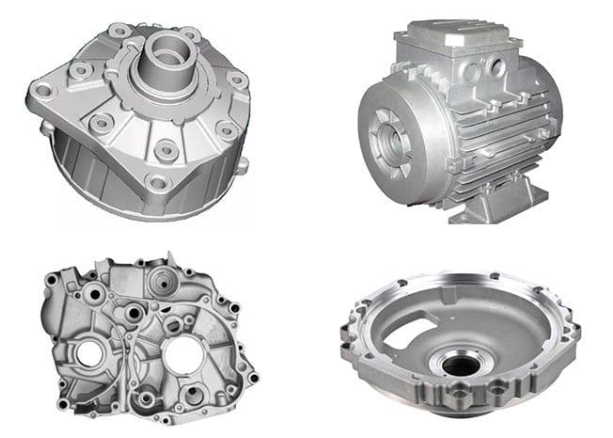
Aluminium die-casting parts are used more in industries because these are lighter in weight, possessing

3D printing technology revolutionized multiple industries through innovations that allowed fast development of complex shaped
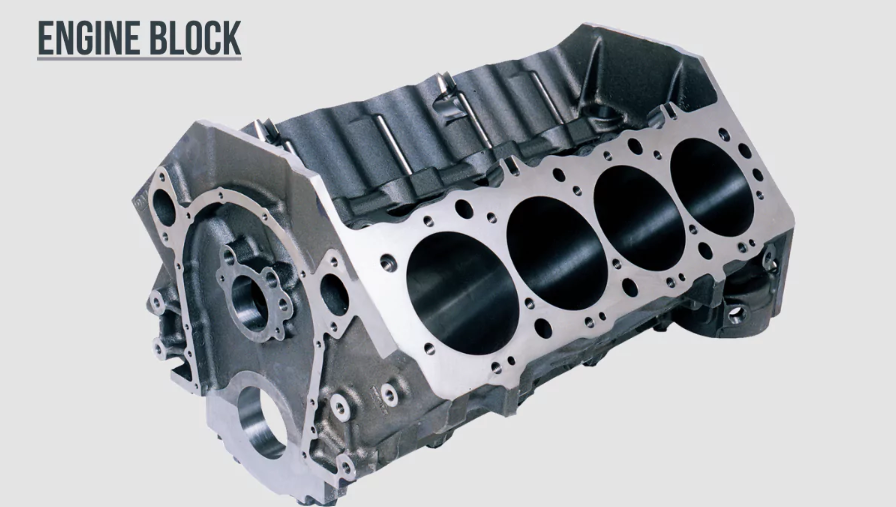
The skeleton of any internal combustion engine consists of engine casting parts, giving structural strength
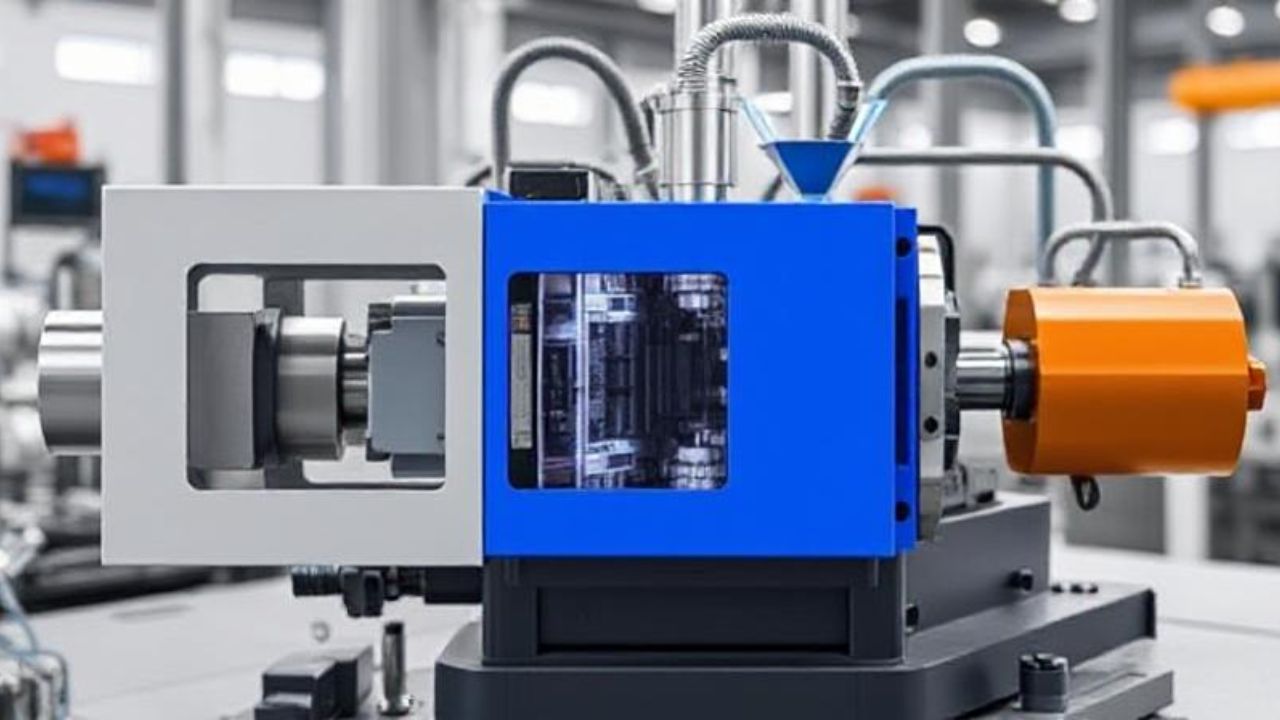
Injection molding is a widely used manufacturing process for producing parts by injecting molten material
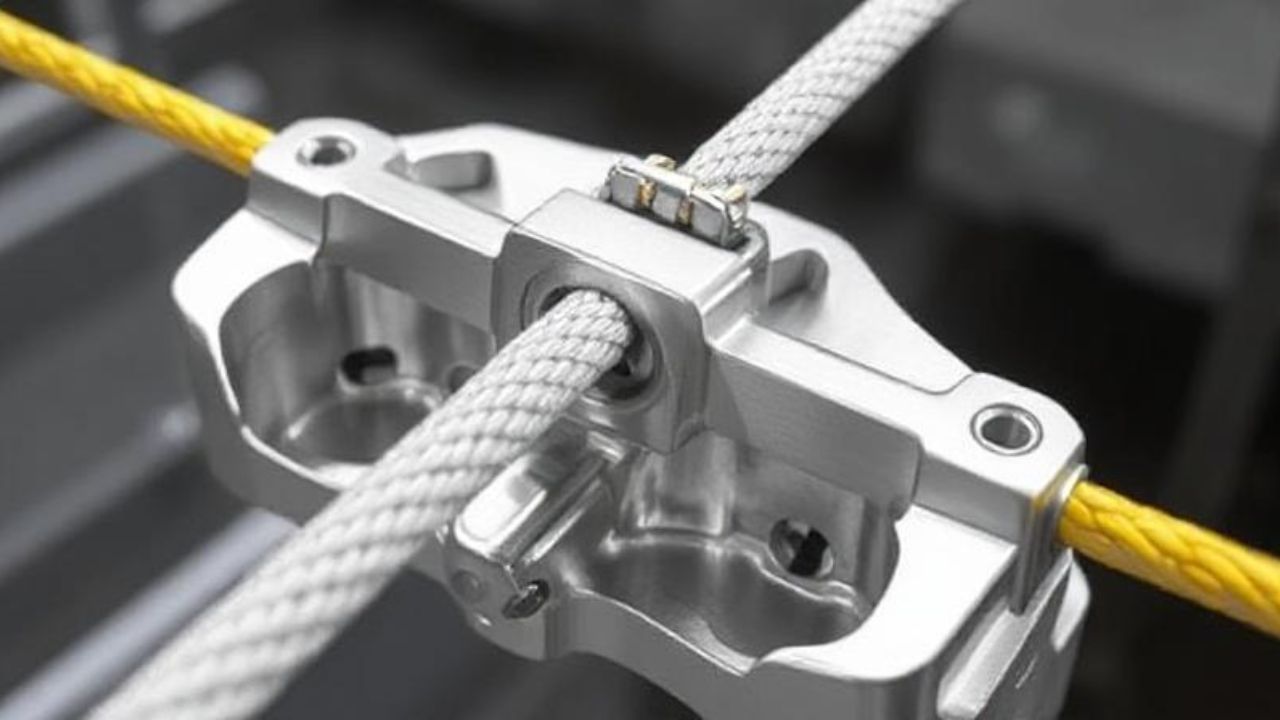
Modern manufacturers identify aluminum die casting as a key production method which produces strong corrosion-resistant

Amongst the most disruptive technologies of the 21st century is additive manufacturing-commonly known as 3D

Microform Precision Sheet Metal Fabrication is one of the newest technologies used to fabricate highly

One of the critical parts used in most sectors, stainless steel screw machined parts ensure
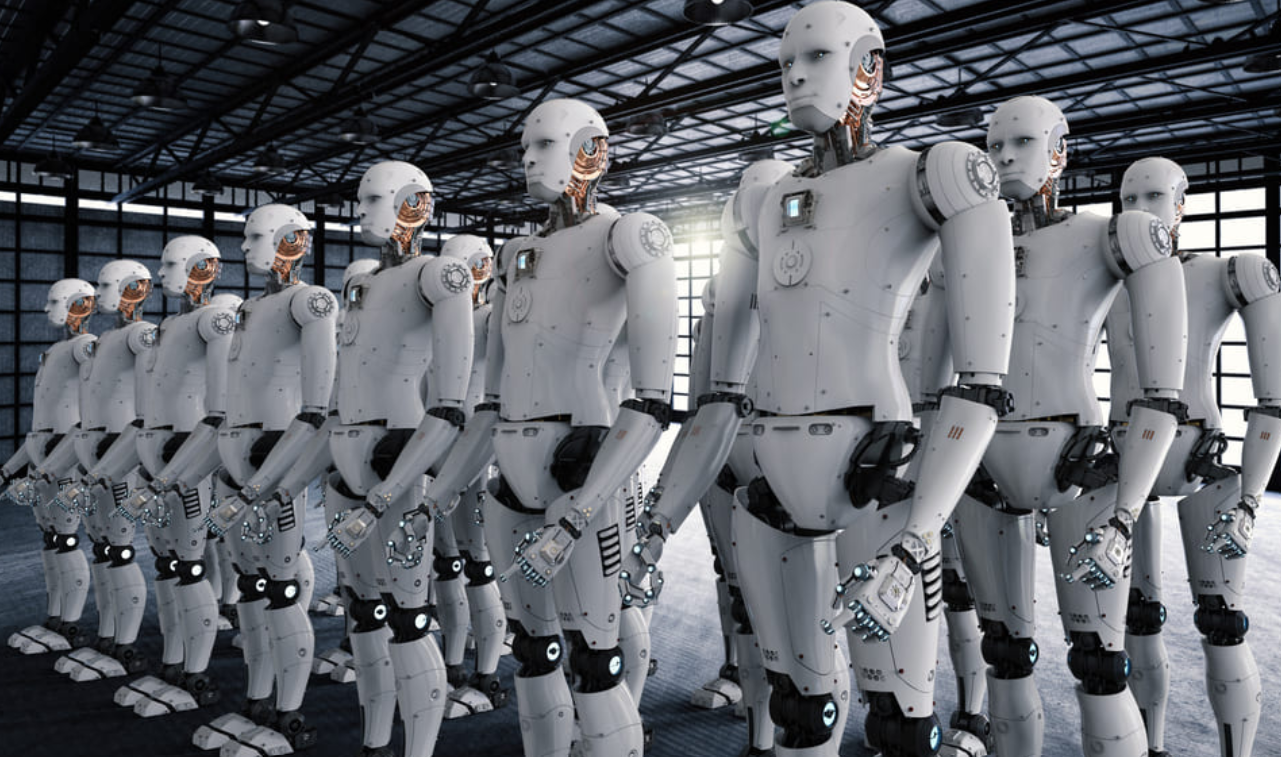
The concept of cyborg self-replication sparks curiosity among scientists and technologists.Emerging 3D printing technologies promise

The resin-based 3D printing relies on the UV light for changing the liquid photopolymers into
Stay updated with the latest insights, industry trends, and expert tips on CNC machining and precision manufacturing. Explore innovative solutions and learn more about the advancements shaping the future of machining.
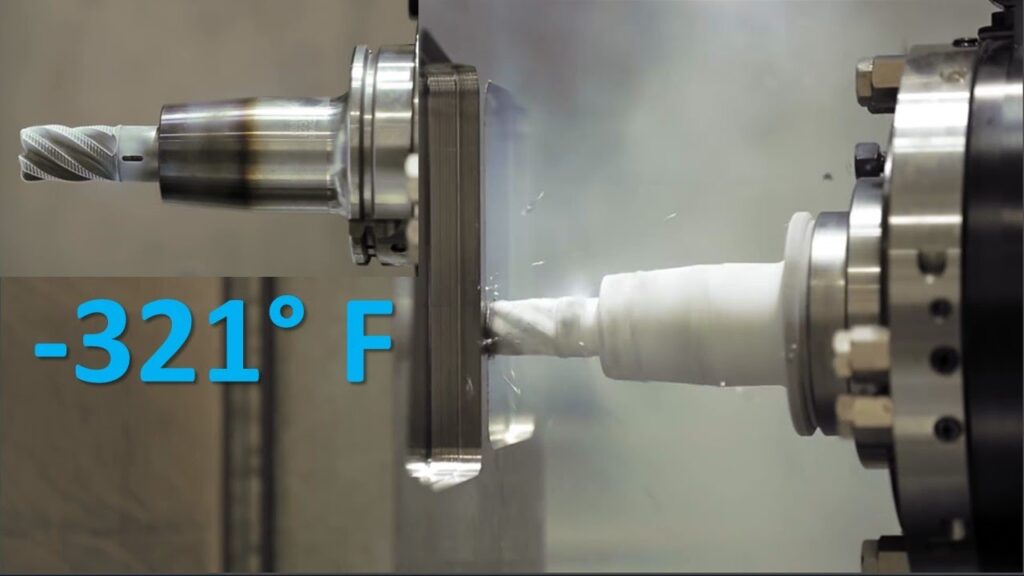
Cryogenic CNC Machining uses liquid nitrogen to cool things instead of oil-based fluids. This way, the cutting area
Explore the transformative benefits of cryogenic CNC machining, utilizing ultra-low temperatures to enhance the precision and machinability of
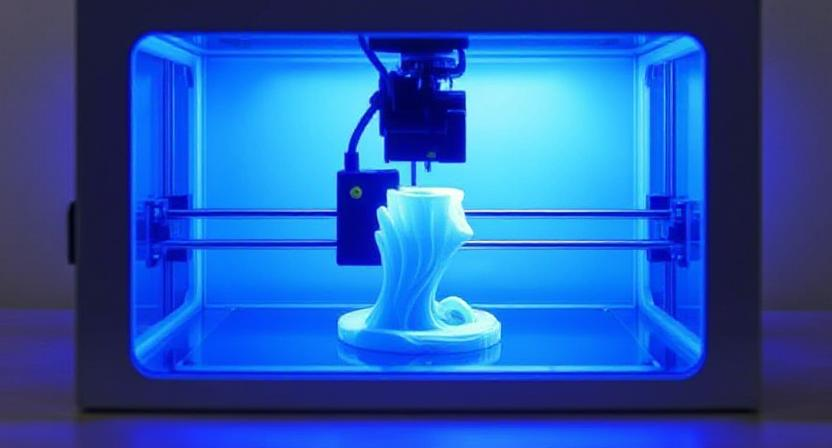
Explore the transformative potential of 4D bioprinting in tissue engineering. This innovative technology utilizes stimuli-responsive materials to create

Discover how photonic CNC technology utilizes advanced laser machining to achieve sub-micron precision in the fabrication of complex

Friction Stir Welding: A Solid-State Metal Joining Process It is applied for using as a solid state welding
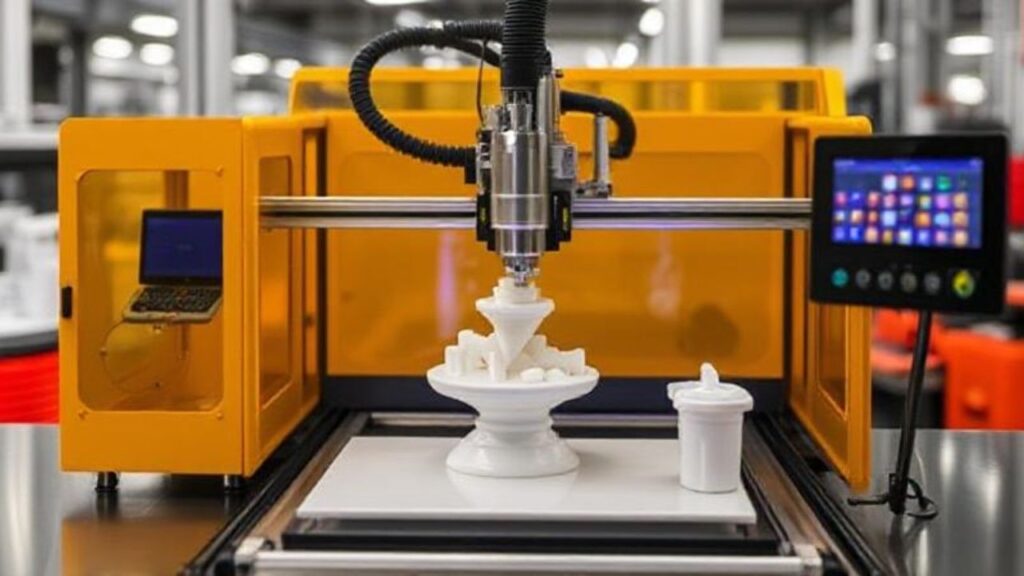
New volumetric additive techniques are overcoming traditional 3D printing’s layer-by-layer constraints. By projecting patterns into specially formulated resins,