
Precision CNC Machining Services for Custom Parts
Get high-quality custom CNC machining components delivered fast. We specialize in CNC milling, CNC turning, injection molding, and rapid prototyping with tight tolerances and fast lead times.
- Precision machining by experienced engineers
- Stainless steel CNC and high-strength alloys
- Aluminum machining and 3D printed prototypes
21+
Years in Business
1M+
Custome Parts Produce
30K+
Customer Serve
98%
On-time delivery
Our Custom Manufacturing Services Capabilities

Value Added Solution
Assembly , finishing, serface tratments, custom packeges and lebeling integrated solutions for productstion

Sheet Fabrication
Expert laser cutting, CNC bending+0.1 mm (+ 0.004 in) and welding. Lead times from 5 business days

3D Printing
Advanced 3D printing for functional prototypes and end-use parts with ±0.008″ precision, 1-day turnaround.

CNC Machining
Milling, turning and post-processingTolerances down to +.020 mm (+.001 in)Lead times from 5 business days

Vacuum casting
Fast, affordable urethane prototypes. ±0.002″ accuracy, 20 parts in 10 days, perfect for quick design testing.

Injection Molding
Fast, flexible molding from prototype to volume. Get T1 samples in 2 weeks, and scale from 1 to over 1 million units.

Extrusion
High-quality aluminum profiles with post-machining options. Tolerances to ±0.005″, delivered in 10 days.

Die Casting
High-volume magnesium die casting. Thin walls down to 0.03 batches from 1,000 to over 1 million units.
Manufacturing Experience and Capacity
21 years of experience
in CNC machining, metal & plastic prototyping

Why Choose MXY Machining
Quality Checks
At each stage products undergoes rigorous inspection for ensuring consistent standards, reliability, and excellence before it ever reaches you.
Top-Tier Percision
Every detail engineered to exact standards, delivering consistent accuracy and reliability you can depend on every single time.
Fast Production
Optimized processes and efficient workflows deliver high-output results without compromising quality getting your products to market faster.
Time Managenent
We prioritize timely delivery through disciplined project tracking and keeping commitments on schedule while maintaining the highest production standards.
Industry Expertise at MXY Machining


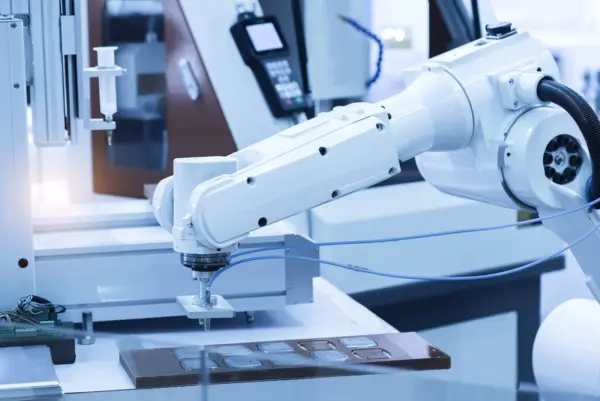

Hear Directly From Our Satisfied Clients
Discover the genuine experiences of our customers. Their words carry more weight than our claims. Explore how we’ve exceeded expectations and fulfilled unique requirements.

Dynamic Fabricators LLC
MXY Machining sheet cutting service has been a cornerstone in our manufacturing process. Their ability to deliver clean, precise cuts allows us to maintain high standards in our product assembly operations. Absolutely reliable and professional.
Olivia P.

Innovative Design Solutions
The SLA services from MXY Machining have been critical in our design verification process. The quality of the finished parts and the clarity of details they achieve with their technology is truly impressive.
Carlos D.
Creative Concepts Technologies
MXY Machining expertise in FDM has been a game-changer for our prototyping needs. Their recommendations on material choices and design adjustments helped us achieve functional prototypes much faster than anticipated.
Aaron L.
Steel Dynamics Inc.
We needed a partner capable of handling our custom waterjet cutting needs, and MXY Machining exceeded all expectations. Their ability to work with tough materials while maintaining high precision has significantly improved our production line.
Sandra T.

AutoTech Innovations
MXY Machining in CNC machining is unparalleled. They turned our complex designs into reality with incredible accuracy and speed. It’s refreshing to work with a team that truly understands the importance of detail in engineering.
James K.
Related Articles and Insights
Stay updated with the latest insights, industry trends, and expert tips on CNC machining and precision manufacturing. Explore innovative solutions and learn more about the advancements shaping the future of machining.

A drawing revision or manufacturing change does not automatically mean that every characteristic on a CNC part must

In high-precision manufacturing, the quality of finished CNC machine parts is ultimately verified by how accurately their dimensions

A CNC milling VMC process uses a vertical machining center(VMC) to produce pockets, profiles, holes, bores and three-dimensional
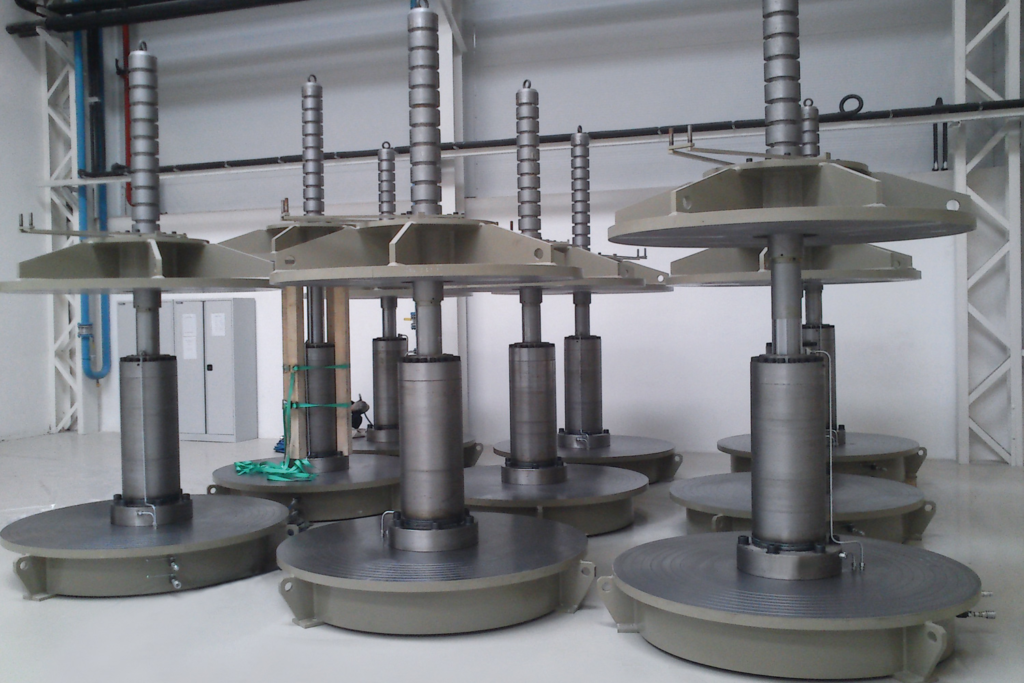
What Is Isostatic Pressing? Isostatic pressing is a manufacturing process that applies pressure from all directions to compact

To compare low-volume CNC machining quotes fairly, ask suppliers to price the same part revision at several quantities

Inroduction Automotive engineers often need functional metal parts before committing to casting dies or other production tooling. A
Bring Your Designs to Life with MXY Machining
Prototyping at MXY Machining
Advanced Technology
Utilize cutting-edge technologies including 3D printing, CNC machining, and injection molding to bring prototypes to life with precision.
Speed and Accuracy
Quickly iterate and refine designs, ensuring each prototype meets exact specifications and high accuracy standards.
Seamless Validation
Facilitate rapid testing and validation processes that streamline the path from concept to market readiness.
Production at MXY Machining
Process Streamlining
Our digital ecosystem reduces time from concept to production, enhancing efficiency and maintaining high standards.
Capacity Flexibility
Adeptly manages both small and large-scale projects with a vast network of partners and modern facilities.
Deadline Adherence
Delivers consistently high-quality results on time, thanks to innovative quoting and robust manufacturing processes.
Frequently Asked Questions (FAQ)
CNC Machining
What is CNC machining?
CNC machining is a computer-controlled manufacturing process that removes material from metal or plastic workpieces to create parts with precise dimensions and complex geometries. MXY Machining provides CNC milling, CNC turning, and post-processing for prototypes, custom components, and production parts.
What is the tolerance for CNC machining parts?
Standard prototype and production machining tolerances on the MXY are +/- 0.0005 inch (0.0127 mm). This means that the area, width, length, thickness, or thickness of any section must not deviate from the nominal value by more than this amount
What is the maximum machining size of a CNC machine?
Our CNC machining capabilities can handle large parts up to 5 meters (W) × 3 meters (L), depending on the part design, material, and machining requirements. Contact our engineering team to confirm whether your large component can be machined to your specifications.
What are the most common materials used for complex custom CNC machining?
Aerospace and automotive parts, heavy machinery, implants, and high-performance devices often use solid materials.
What is the maximum turning diameter of a CNC machine in CNC machining?
The maximum turning diameter of a CNC machine depends entirely on the specific lathe model, ranging from up to 500 mm (20 inches) for standard machines to over 3,000 mm (10+ feet) for large vertical lathes.
Communications
Which industries do you serve in the communication sector?
We provide manufacturing solutions for telecommunications, satellite communication, wireless networking, and broadband infrastructure.
What materials do you use for communication components?
We work with aluminum, copper, titanium, engineered polymers, and other high-performance materials suited for high-frequency and structural applications.
How do you ensure compliance with industry regulations?
We adhere to strict quality control processes, industry standards, and regulatory requirements to ensure our components meet all necessary specifications.
Can you manufacture custom enclosures for communication equipment?
Yes, we specialize in precision-engineered enclosures that provide durability, shielding, and thermal management for communication devices.
Do you offer manufacturing solutions for 5G and next-generation networks?
Yes, we produce high-precision components for 5G infrastructure, including antenna systems, RF components, and network hardware.